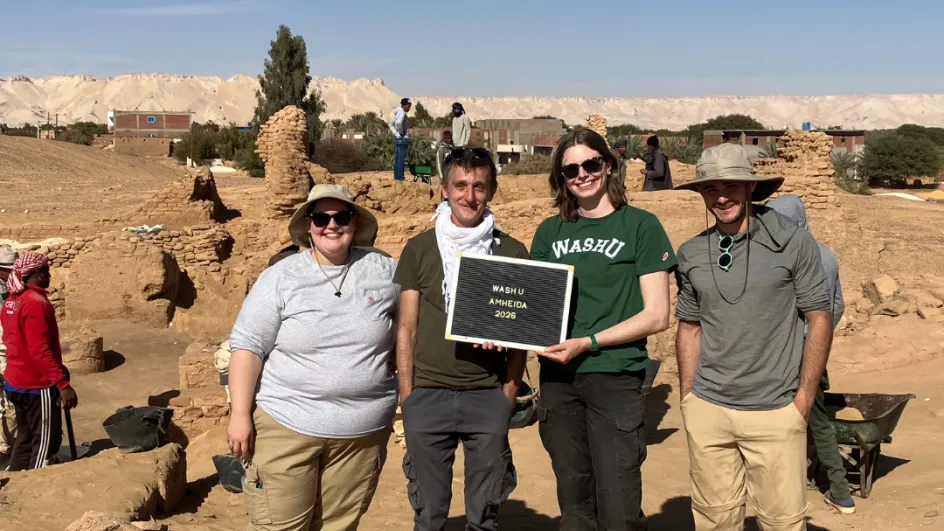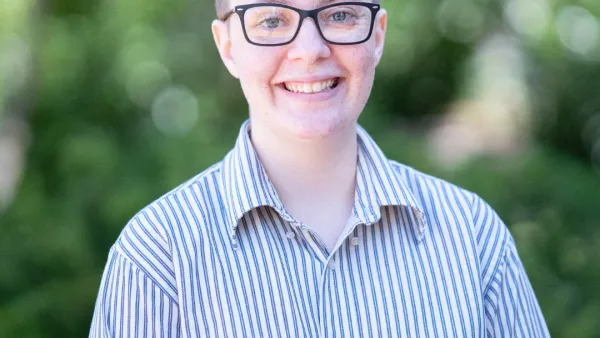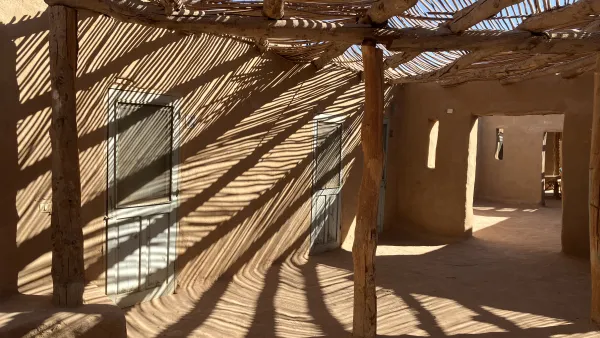
The John and Penelope Biggs Department of Classics is pleased to share reflections from Mo Stein (MA, Art History & Archaeology), who spent this winter in Egypt’s Western Desert participating in the ongoing excavation of ancient Trimithis (modern Amheida).
Mo traveled to the Dakhla Oasis with the help of the Penelope Biggs Travel Fund to join the Amheida project, working alongside the Classics department’s own Dr. Nicola Aravecchia. Established in 2001, the excavation is renowned for its exceptionally careful documentation and has made major contributions to the study of Roman Egypt. As an emerging archaeologist, Mo was especially excited to work on a project whose methodological rigor and long-term scholarly impact are so well regarded.
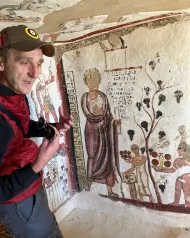
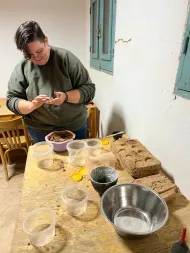
Reflecting on their experience, Mo described the season as a rare opportunity to engage fully with the realities of archaeological fieldwork. Alongside other members of the WashU cohort, they helped survey a newly uncovered area of the site, processed finds both in the field and in the lab, and wrote detailed excavation reports at the end of each day. Mo also learned how to catalogue small finds and gained firsthand exposure to the conservation process for Trimithis’s extraordinary wall paintings.
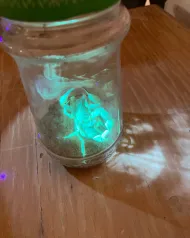
Some of the most memorable moments came outside the trench. Mo and their colleagues toured key archaeological sites throughout the Dakhla Oasis with Dr. Aravecchia as an expert guide, expanding their understanding of the broader historical and geographic context of Trimithis. Daily life at the site was full of adventure as well—ranging from carefully capturing scorpions in jam jars to the thrill of discovering vividly preserved wall paintings inside a private house nearly 1,700 years old.
For Mo, the excavation was both challenging and deeply rewarding, reinforcing their passion for archaeology and material culture. The combination of hands-on research, collaborative problem-solving, and immersion in an ancient landscape made the experience unforgettable.
They loved the experience so much that they have already applied to return to Trimithis next year—an enthusiastic testament to the impact of fieldwork opportunities supported by the Department of Classics.