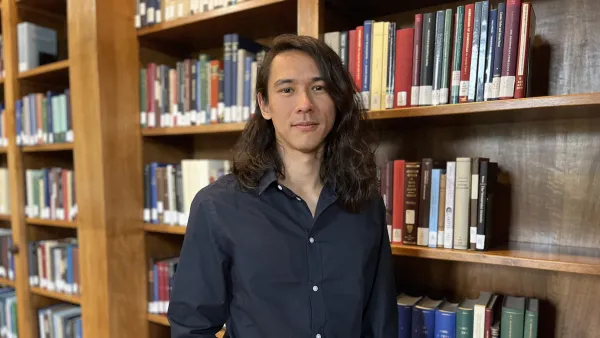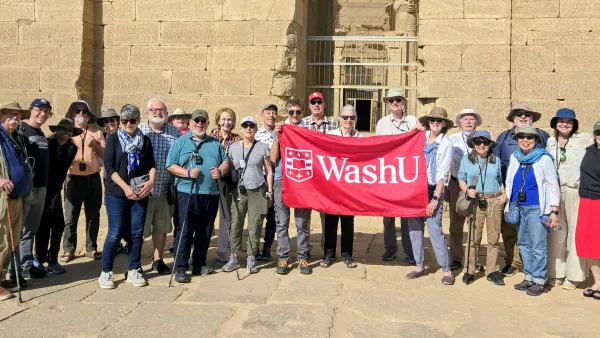
This winter, a group of Washington University alumni and friends embarked on an extraordinary educational journey through ancient Egypt as part of the “Egypt and the Eternal Nile” travel program, organized by University Advancement. The John and Penelope Biggs Department of Classics is especially delighted that Associate Professor of Classics and of Art History and Archaeology Nicola Aravecchia is serving as the scholarly host for the tour.
Professor Aravecchia’s Expertise Enriches the Experience
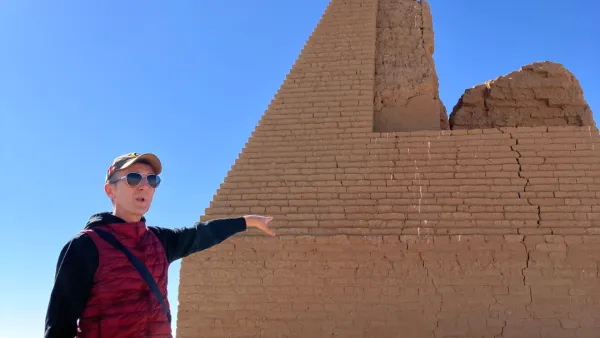
Throughout the trip, Professor Nicola Aravecchia provides participants with rich historical, archaeological, and cultural context, transforming each visit into a dynamic learning experience. Renowned for his work in late antique archaeology and the study of early Christian communities in Egypt, Aravecchia offered travelers a deeper understanding of the ancient sites they encounter, highlighting connections between Egyptian, Greek, and Roman traditions.
His presence adds an invaluable academic dimension to the journey, complementing the insights of the group’s expert Egyptian guide and creating a rare combination of local knowledge and classical scholarship.
A Journey Through the Heart of Ancient Civilization
Beginning in Cairo, the group is exploring the Great Pyramids and other iconic monuments before traveling south to Abu Simbel. The itinerary included a serene cruise on Lake Nasser, followed by a classic voyage along the Lower Nile from Aswan to Luxor, visiting storied temples, ancient tombs, and beautifully preserved archaeological sites along the way.
At each destination, Professor Aravecchia provides historical framing, discussions of art and architecture, and opportunities for participants to engage in rich conversations about the ancient world.
A Highlight: The Roman‑Era Temple of Kalabsha
One of the most memorable stops was the visit to the Temple of Kalabsha, located near Aswan. Built during the reign of Emperor Augustus, the site embodies the fascinating interactions between Roman authority and Egyptian religious traditions—making it an especially meaningful stop for our Classics community.
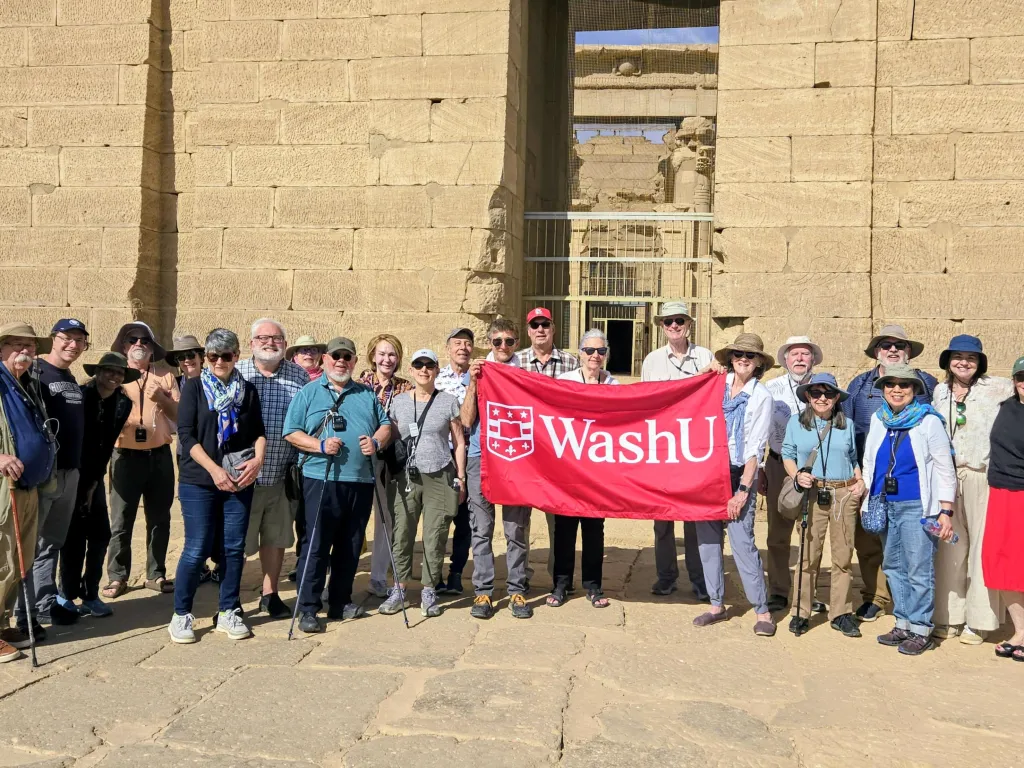
Celebrating Learning and Community
The Department of Classics is proud to see its faculty contributing to University Advancement’s alumni and friends travel programming. Professor Aravecchia’s involvement exemplifies the department’s commitment to sharing classical and archaeological scholarship beyond the classroom—bringing the ancient world to life for our broader WashU community.
We extend our thanks to University Advancement for organizing this remarkable program and to the many alumni and friends whose enthusiasm is making the journey so memorable.