
Entitled to write: Identity and Poetic Authority in the Titles of Early Roman Epic
Abstract
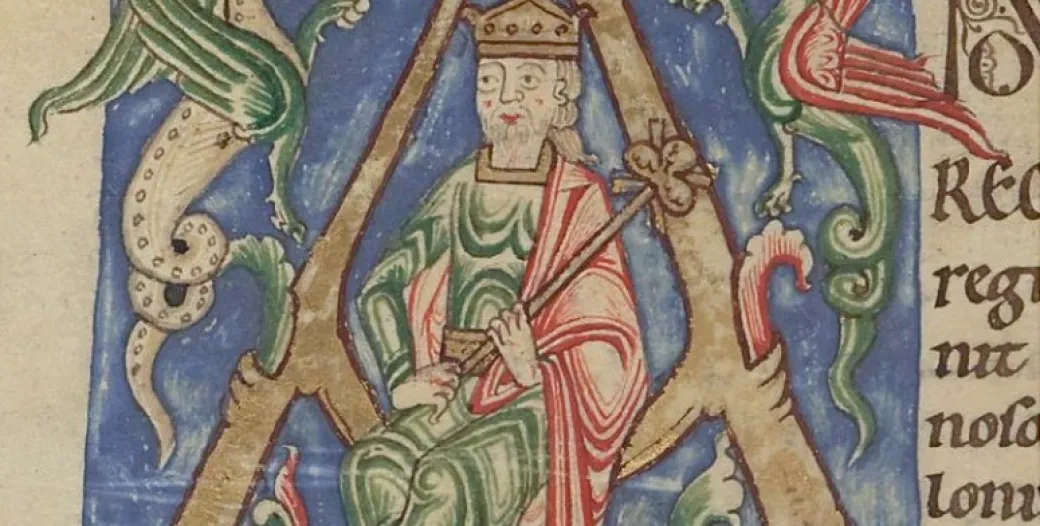
Titles identify and distinguish texts, making them referable in writing or in speech. But there's much more to titles than designation. These paratexts are advertisements and guides to our consumption of literature, sites of authorial commentary that have much to say about the works they preface as well as about the writers who coined them. Ancient titles are a particularly precious kind of evidence, for they can shed light on lost literary works and those preserved only in fragments. In my paper, I will explore what the titles of early Roman epic can tell us about this highly fragmentary genre and, more broadly, about the beginnings of Latin literature and its practitioners. I will argue that seemingly straightforward titles like Odusia and Bellum Punicum enact a strategy of authorial self-fashioning whereby poets negotiated their author-ity - that is, their ability to write literature at and about Rome.
Emilia Barbiero
Barbiero is a philologist whose research interests focus on Roman republican literature and ancient epistolography. Her current project is a book on the letters in Plautus which seeks to discern how the playwright manipulates epistolary conventions to cause comic mischief and uses text as a prop in the oral medium of drama. It argues that the embedded letters in Plautus’ corpus represent the theatrical script, and therefore that they both demonstrate the textuality of the oeuvre and function metapoetically to cast an image of Plautus’ creativity within the play. Barbiero has published on various other Plautine topics besides letters, including the interaction of oratory and comedy, Plautus' conceptions of 'the new' and the mode of his translation. She has also written articles on Second Sophistic and late antique epistolography. Her future research plans revolve around the Catullan corpus and its ‘thingliness’.
Unable to attend in person?
Note: you will be admitted into the Zoom lecture when it begins.
Having tech issues? Email gazzola@wustl.edu